What to know first
- Confirm eligibility for the actual document and signer location.
- Named government forms have their own instructions.
- Review overseas authentication before choosing an electronic format.
Common requests to discuss with a remote notary
Affidavits of identity, sworn statements, powers of attorney, bills of sale and minor travel consent forms are examples of requests worth reviewing for remote notarization. Eligibility depends on the applicable law, the notarial act, the document and the receiving organization.
Wills and other estate documents need particular attention to execution and witness requirements. Ask the drafting attorney about the required process before booking. A notarial certificate does not replace the legal requirements governing the underlying document.
Check the rules for named forms
PS Form 1583 has its own identification and acknowledgment instructions. The current USPS form allows acknowledgment before a qualifying U.S. notary through real-time audio and video, and requires the specified photo and address identification. Confirm the mailbox provider’s submission process as well.
DS-3053 passport consent also needs a form-specific review. The Department of State provides instructions for electronically notarized consent where state law permits it, while its overseas requirements include situations requiring a U.S. embassy or consulate. Your physical location matters; do not assume a general online-notary booking satisfies every passport case.
Prepare for a live session
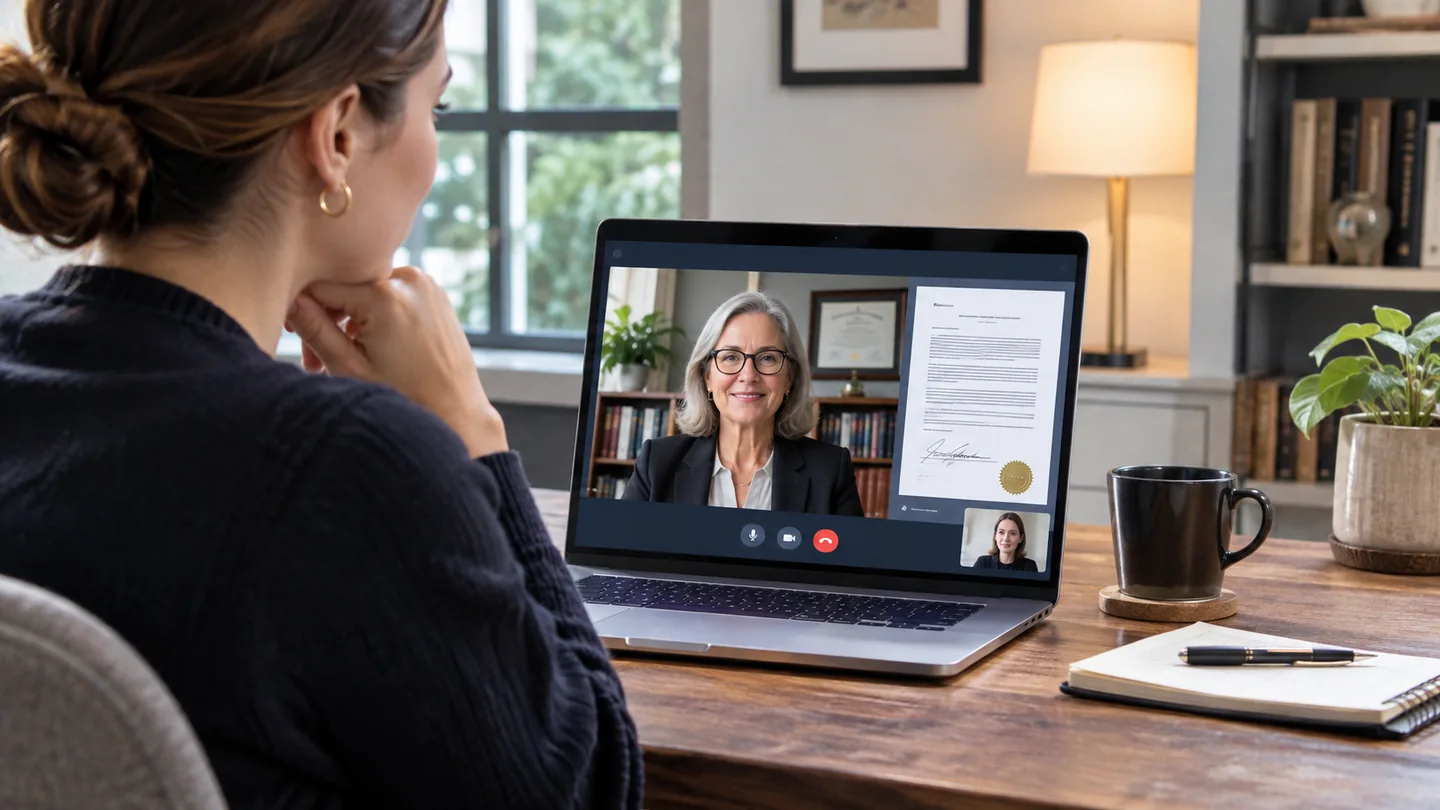
Remote notarization is a live process involving an authorized notary and required identification procedures. Maryland’s law, for example, establishes conditions for remote identity verification and communication technology. The notary must determine whether the applicable requirements can be met.
- Have the complete document and recipient’s instructions available.
- Provide acceptable identification and complete the required identity checks.
- Use a device with a working camera, microphone and reliable connection.
- Tell the notary where you are physically located.
- Ask about witnesses and signing instructions before the appointment.
If the document will be used abroad
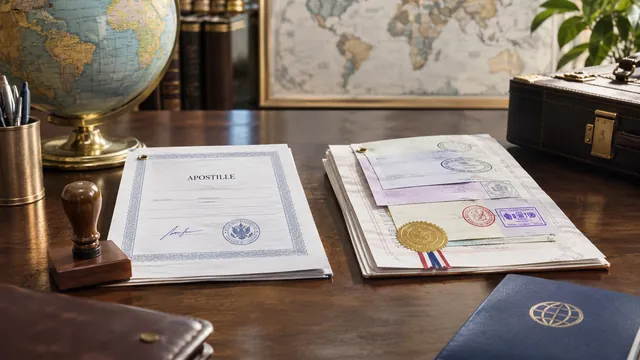
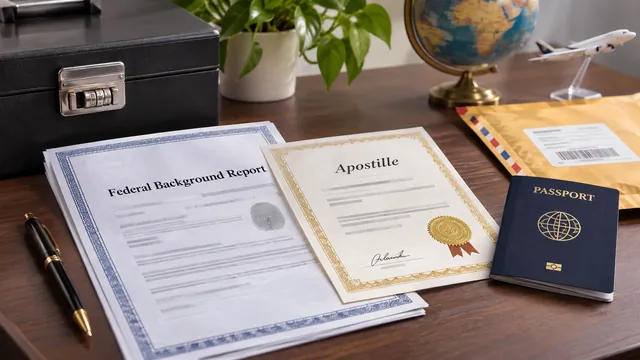
Check the next step before choosing an electronic format. Notarization and apostille processing are separate services, and the authentication authority and recipient may have format requirements. Texas’s guidance, for example, sets conditions for apostilling online-notarized documents and advises applicants to confirm recipient acceptance.
Explain the intended foreign use at the start. This helps avoid completing a signing in a format that does not fit the required submission route.
Explore eligible signing through American Notarization
Authxperts connects eligible remote-notary inquiries with American Notarization. Share the document type, signer location and recipient’s instructions to review suitability. If an apostille or embassy legalization is also needed, include that destination so the full document process can be considered together.
Official sources
Sources reviewed November 2, 2026. Check the issuing authority’s current instructions before submitting documents.
This article provides general document-preparation information. Requirements depend on the document, applicable rules and receiving organization. Ask for a document-specific review before arranging notarization, authentication or shipping.